

blue reflective glass
The Importance of Micrometre Precision in Modern Manufacturing In the world of manufacturing, precision is paramount. The ability to produce components with micrometre precision has become a cornerstone of various industries, including aerospace, automotive, medical devices, and electronics. This degree of accuracy not only enhances the performance and reliability of products but also plays a critical role in maintaining competitive advantages in a global marketplace driven by innovation and efficiency. What is Micrometre Precision? The term micrometre refers to a unit of measurement equal to one millionth of a metre, or 0.001 millimetre. Achieving micrometre precision means that the tolerances of manufactured parts are within this exceptionally tight range. To put it in context, a human hair is approximately 70 micrometres in diameter; thus, micrometre precision represents a level of accuracy that is not only challenging to achieve but also essential for certain applications. Applications of Micrometre Precision Micrometre precision is crucial in several sectors. In the aerospace industry, components such as turbine blades and fuselage parts must meet stringent dimensional specifications to ensure safety, efficiency, and performance under extreme conditions. For example, slight misalignments in turbine blades can lead to catastrophic failures, necessitating precision machining techniques that maintain tolerances within micrometres. In the automotive sector, micrometre precision is vital for the fit and function of engine components, transmissions, and braking systems. For instance, the assembly of an engine relies on the precise clearance between moving parts; too much or too little space can result in performance loss or mechanical failure. Medical devices, particularly those that interact with the human body, also require meticulous precision. Surgical instruments, implants, and diagnostic devices have to be manufactured to exact specifications. Errors measured in micrometres can lead to severe complications or failures in medical procedures, making high-precision manufacturing not just a goal but a necessity in the healthcare industry. Methods of Achieving Micrometre Precision micrometre precision Achieving such high levels of precision demands advanced manufacturing technologies and rigorous quality control. Techniques such as Computer Numerical Control (CNC) machining, laser cutting, and additive manufacturing (3D printing) have evolved to facilitate this need. CNC machines utilize computer programming to control tools with high accuracy, while laser cutting offers precision in shaping materials with minimal thermal distortion. Moreover, quality assurance processes such as Coordinate Measuring Machines (CMM) and laser scanning systems are employed to verify that each component meets the required specifications. These systems can measure components to an accuracy of one micrometre or less, ensuring that every piece produced aligns with the design intentions. Challenges in Maintaining Micrometre Precision Despite advancements in technology, maintaining micrometre precision presents its own set of challenges. Factors such as material properties, environmental conditions, and machine calibration can significantly affect manufacturing outcomes. For instance, thermal expansion can alter the dimensions of materials during processing, leading to deviations from desired specifications. Therefore, manufacturers must adopt controlled environments and employ materials that minimize such variations. Additionally, the human element cannot be overlooked. Skilled operators are crucial in the manufacturing process, as they oversee machinery and manage quality control. Investing in training and continuous learning for personnel ensures that teams are proficient in the latest techniques and technologies that promote micrometre precision. The Future of Micrometre Precision As industries continue to evolve and integrate smart technologies, the demand for micrometre precision is expected to grow. Industry 4.0 technologies, such as the Internet of Things (IoT), artificial intelligence (AI), and machine learning, are beginning to transform manufacturing processes. These innovations promise to enhance monitoring, predictive maintenance, and automated quality control, further tightening the tolerances that are achievable. In conclusion, micrometre precision is no longer a mere feature of high-end manufacturing; it is a critical necessity across various sectors. As technology advances and industries adopt smarter practices, the capacity to produce components with such accuracy will likely become even more refined. The pursuit of perfection in manufacturing not only drives innovation but also ensures the safety, efficiency, and reliability of products that we depend on every day. Therefore, the commitment to achieving and maintaining micrometre precision will undeniably shape the future of manufacturing.
about
blue reflective glass
Understanding the Importance of DN50 Filters in Industrial Applications In the realm of industrial processes, the efficiency and reliability of fluid systems are paramount. One crucial component that ensures optimal performance is the filter, particularly the DN50 filter. In this article, we will explore the significance of DN50 filters, their construction, benefits, and applications across various sectors. What is DN50? DN50 refers to the nominal diameter of a pipe or fitting, specifically 50 millimeters. Filters designed for DN50 pipes play a vital role in maintaining the quality and integrity of fluids within a system. These filters are engineered to remove particles, debris, and contaminants from liquids and gases, preventing damage to machinery and ensuring smooth operations. Construction and Types of DN50 Filters DN50 filters can be constructed from various materials, including stainless steel, plastic, or fiberglass, depending on the application requirements. The design of these filters can vary, with common types including basket filters, cartridge filters, and mesh filters. Each type has its specific advantages; for instance - Basket Filters are typically used in larger flow applications, providing a large surface area for filtration. They are easy to clean and maintain. - Cartridge Filters offer a compact design, effective in removing fine particles from fluid streams. Their disposable nature makes them convenient for industries requiring regular maintenance. - Mesh Filters are excellent for coarse filtration, ideal for applications where larger particles need to be captured without hindering flow rates. Benefits of DN50 Filters The advantages of implementing DN50 filters in industrial systems are numerous 1. Protection of Equipment By removing contaminants from the fluid, DN50 filters protect pumps, valves, and other downstream equipment from wear and failures. This extends the life of machinery and reduces maintenance costs. filter dn50 2. Improved Efficiency Clean fluids result in better efficiency in processes. Unfiltered impurities can lead to blockages or reduced flow rates, negatively impacting productivity. 3. Enhanced Product Quality In industries such as food and beverage, pharmaceuticals, and chemicals, the purity of fluids is crucial. DN50 filters ensure that unwanted particles do not compromise product quality. 4. Customization DN50 filters can be tailored to meet specific operational requirements, including varying flow rates and particle sizes, making them versatile for diverse applications. Applications of DN50 Filters DN50 filters find applications across multiple industries, including - Water Treatment They help in purifying water by removing sediments and impurities before further processing. - Oil and Gas In upstream and downstream operations, DN50 filters are essential in managing filtration needs to ensure the integrity of the final products. - Food and Beverage Maintaining the cleanliness of liquids during processing is crucial for compliance with health regulations. - Manufacturing In various manufacturing processes, DN50 filters prevent contamination, ensuring the efficiency of production lines. In conclusion, DN50 filters are vital components in maintaining fluid integrity across various industrial applications. Their ability to protect equipment, enhance efficiency, and improve product quality makes them indispensable in ensuring smooth operations in fluid systems. As industries continue to evolve, the reliance on effective filtration solutions like the DN50 filter will only grow.
-

High quality industrial productsagement

High quality industrial products
View Details -

Meet the diverse needs of customers

Meet the diverse needs of customers
View Details -

Strict quality control

Strict quality control
View Details -

Top raw materials

Top raw materials
View Details -

Trusted supplier

Trusted supplier
View Details
Our application
news and information
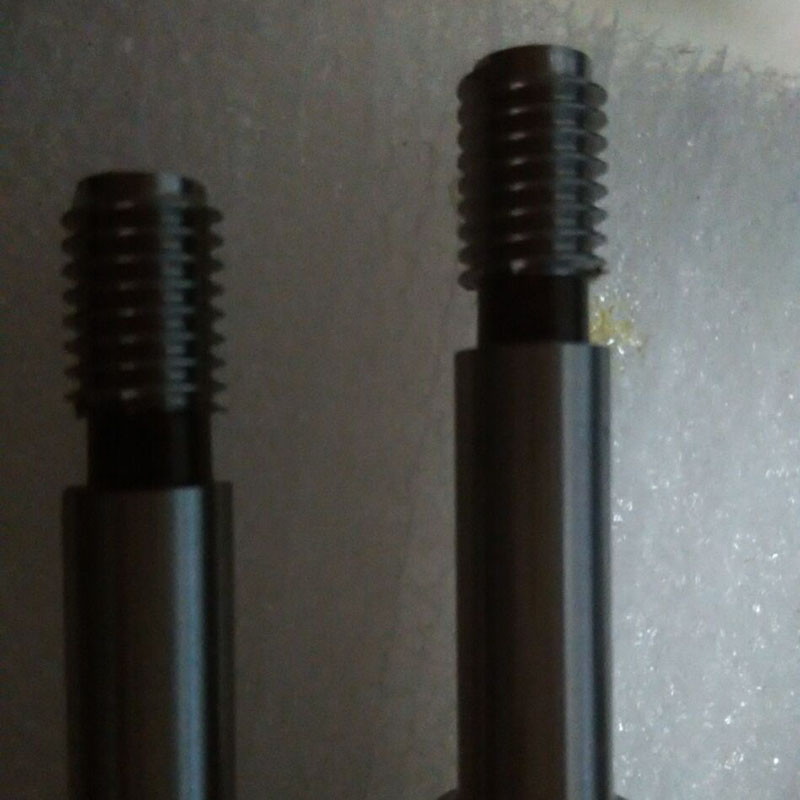
Various Types and Applications of Knife Gate Valves in Industrial Solutions
Types of Knife Gate Valves A Comprehensive Overview Knife gate valves are essential components in va

Válvula de mariposa de 1200 mm para aplicaciones industriales y de control de flujo
Válvula de Mariposa de 1200 mm Eficiencia y Aplicaciones en la Industria La válvula de mariposa es u
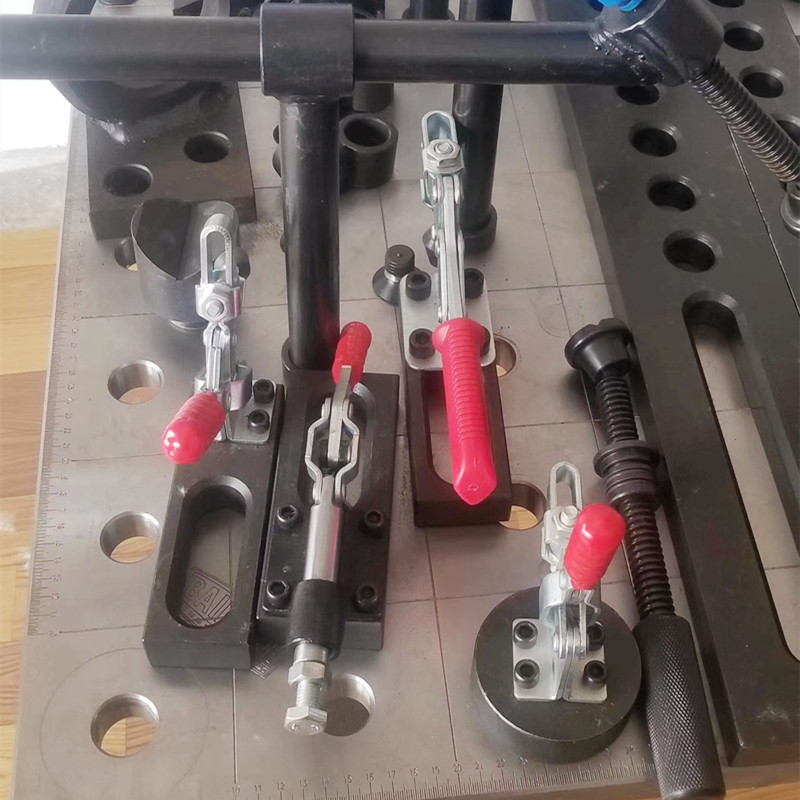
Versatile Thread Gauge for Precision Measurement and Adjustability in Mechanical Applications
Understanding Adjustable Thread Gauges A Tool for Precision Measurement In the world of engineering
 English